Movie★ 7.8105m1967
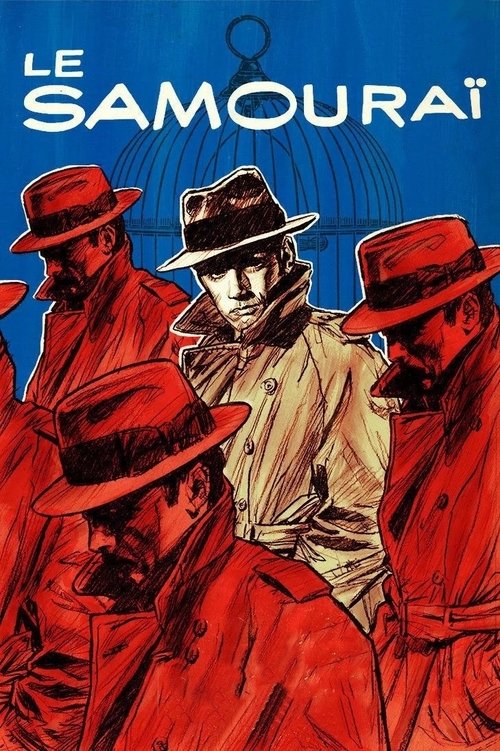
Le Samouraï
MENGHUBUNGKAN KE SERVER 1
Mohon tunggu sebentar
Pilih Jalur Streaming
Multi-Server Reliability System
Status: Online
Tips: Gunakan Server 1 untuk stabilitas terbaik. Jika tayangan tidak muncul, beralihlah ke server cadangan. Iklan pop-up adalah kebijakan penyedia server, silakan tutup jika muncul.
Sedang Memutar: Le Samouraï
Pemeran Utama
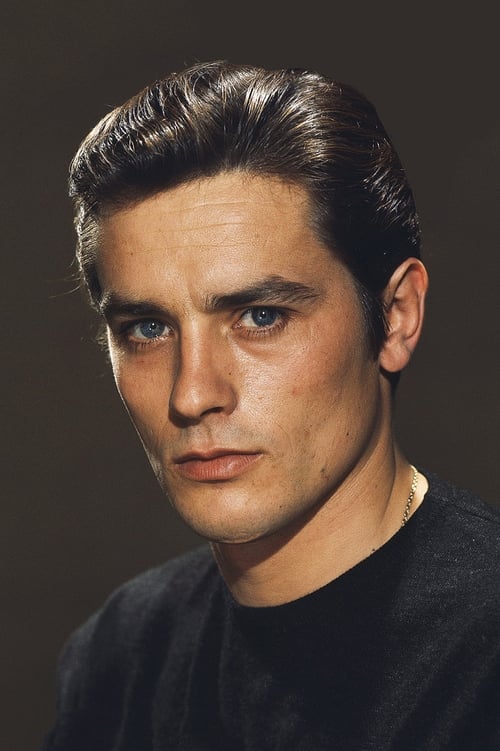
Alain DelonJef Costello
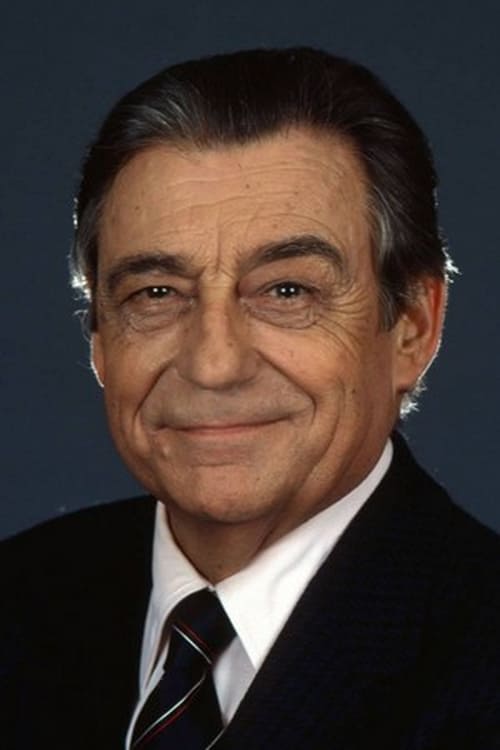
François PérierSuperintendant

Nathalie DelonJane Lagrange
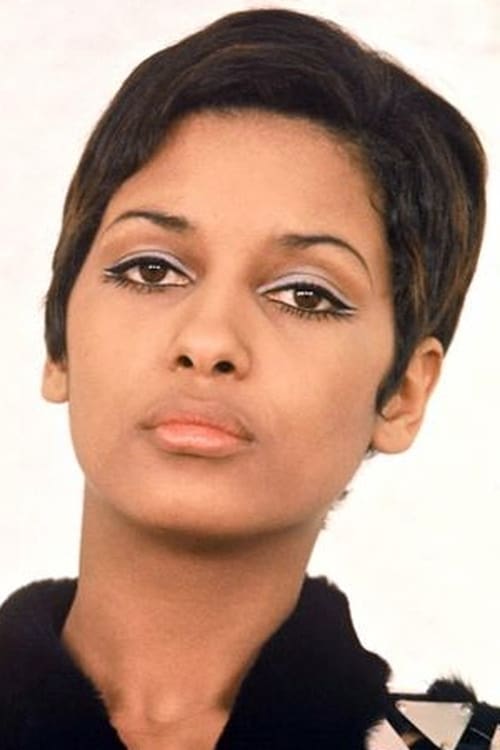
Cathy RosierValérie
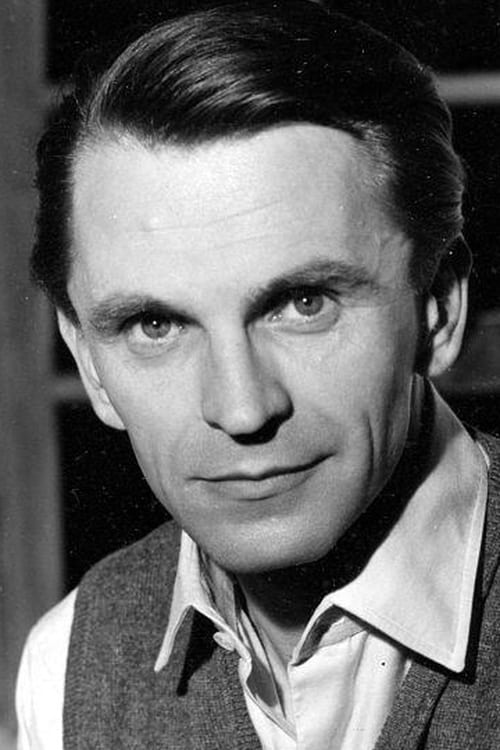
Michel BoisrondWiener

Catherine JourdanLocker Room Girl
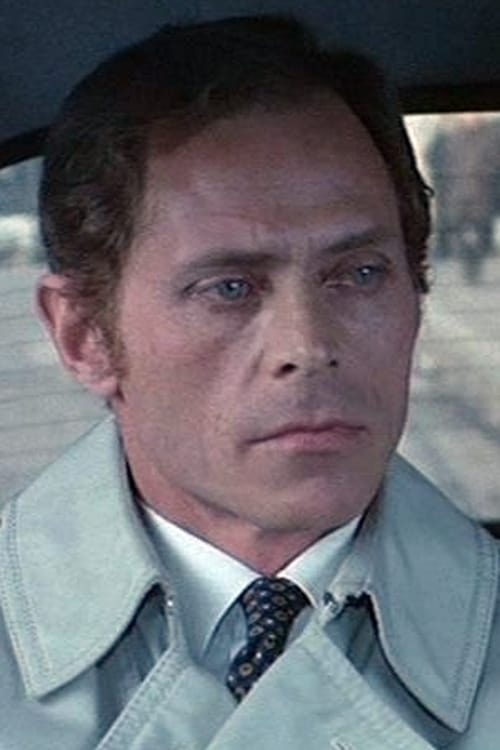
Jean-Pierre PosierOlivier Rey

Robert FavartBartender
Jacques LeroyWalkway Man
Roger FradetInspector #1
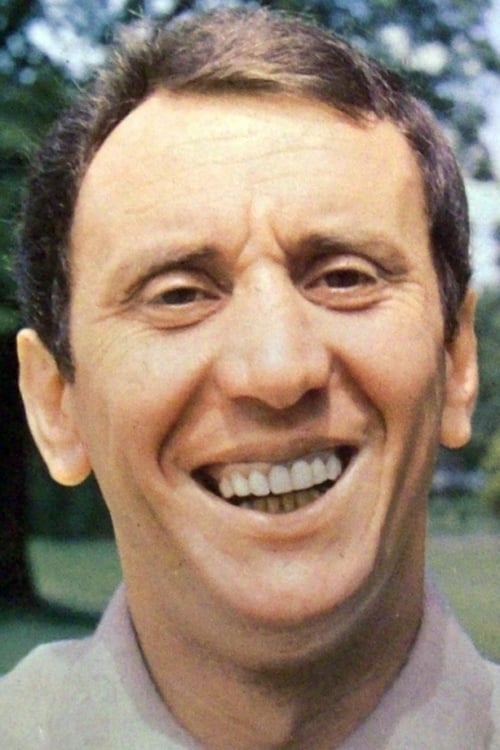
Carlo NellInspector #2
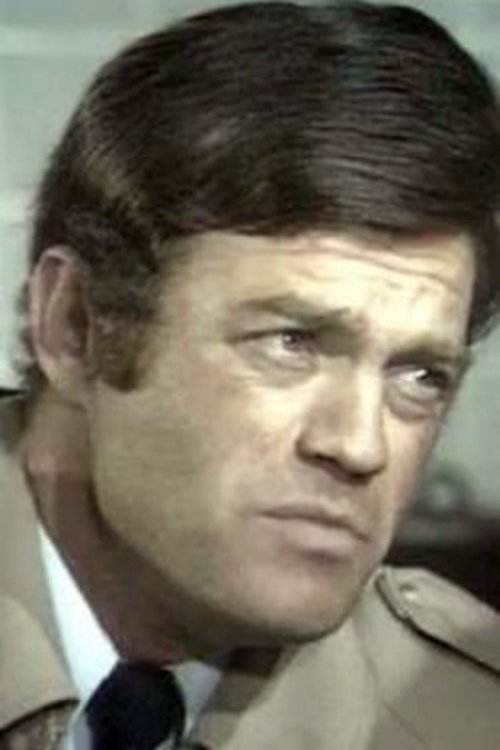
Robert RondoInspector #3
André SalguesGarage Owner
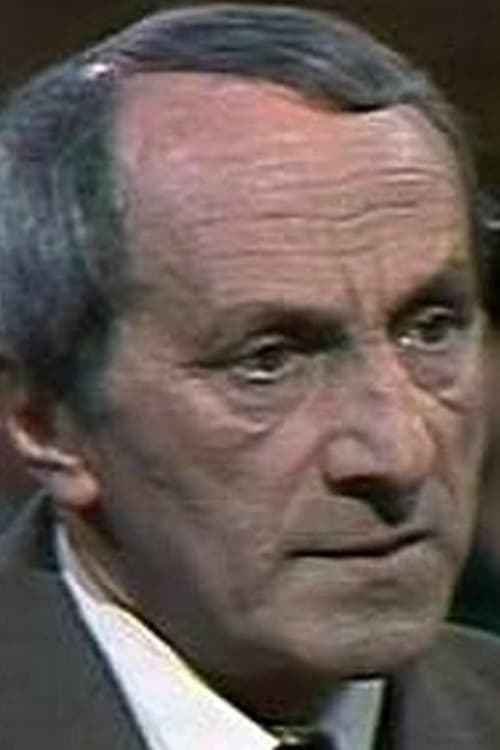
André ThorentPoliceman / Taxi Driver

Jacques DeschampsPoliceman Speaker
Galeri Foto


Ulasan Penonton

John Chard
9.0
3 Maret 2014Magnifique.
Le Samouraï, one of the most highly praised French films of the 1960s, and justifiably so. Having only just caught it for the first time, I'm not sure what more I can say about a film that has been discussed, dissected, praised and pored over for nearly five decades now.
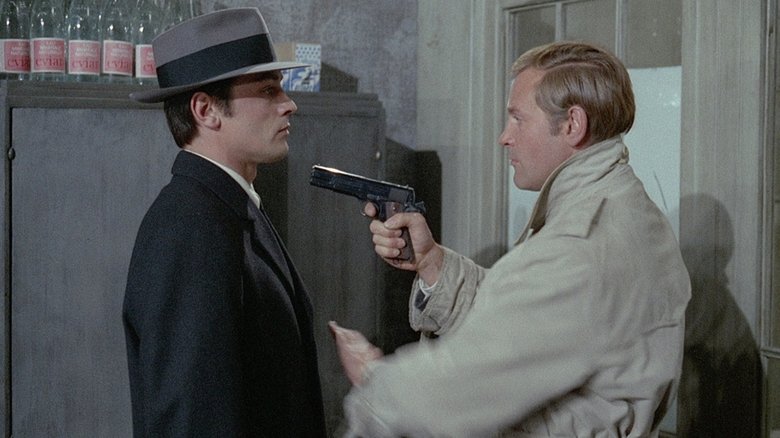
Plot is simplicity, hit-man Jef Costello (Alain Delon) enacts a hit but he is witnessed fleeing the scene and spends the rest of the film trying to make sure his alibi holds up. His employers want him erased so as to avoid detection themselves, the head detective on the case knows Jef did it but can't quite close the noose around his neck, and Jef is mysteriously drawn to a sultry piano player who happens to be the chief witness against him!
Sparse of dialogue, this is a masterstroke decision by director Jean-Pierre Melville, because what chat there is makes us hang on every word being spoken. It also re-enforces the loneliness essence of the hit-man's life. Jef's apartment is so bland and devoid of personality, the only thing of beauty there is a bird in a cage, the metaphor of such is hard to ignore. Jef himself is beautiful, he also is perpetually in an emotionally frozen cage.
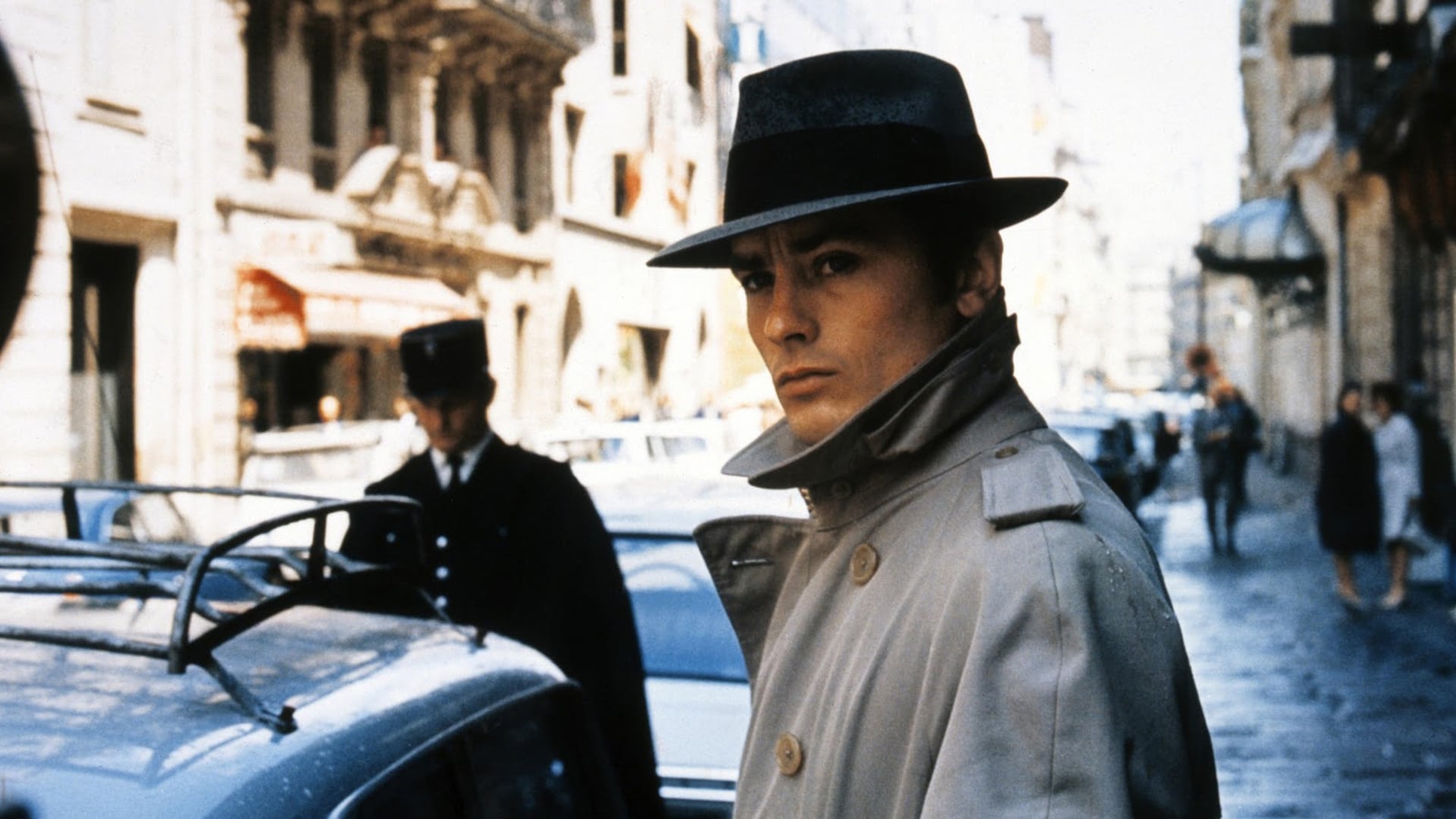
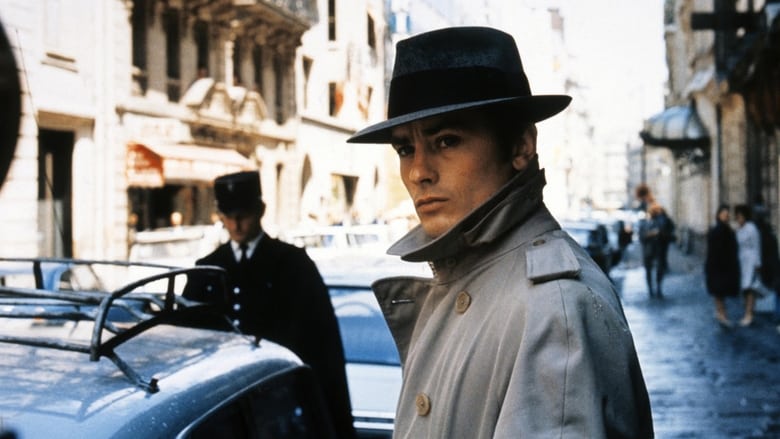
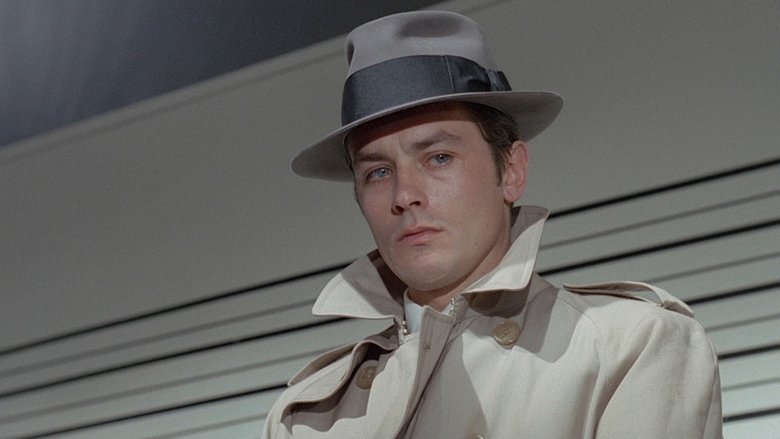
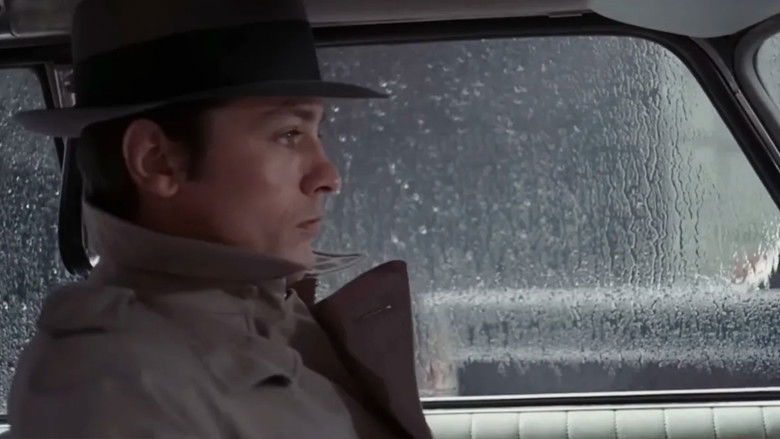
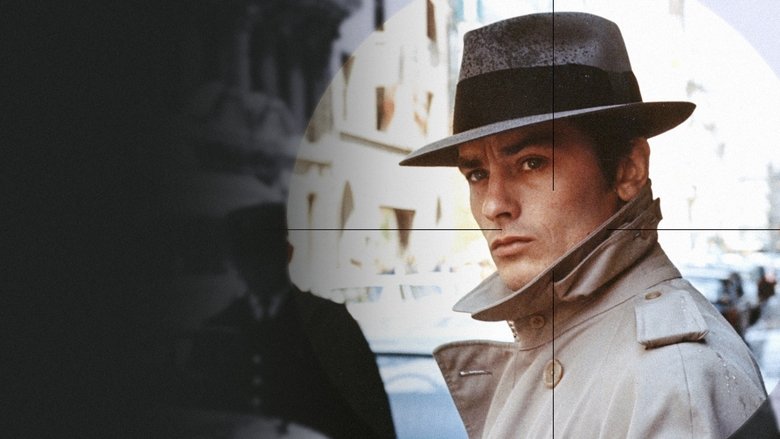
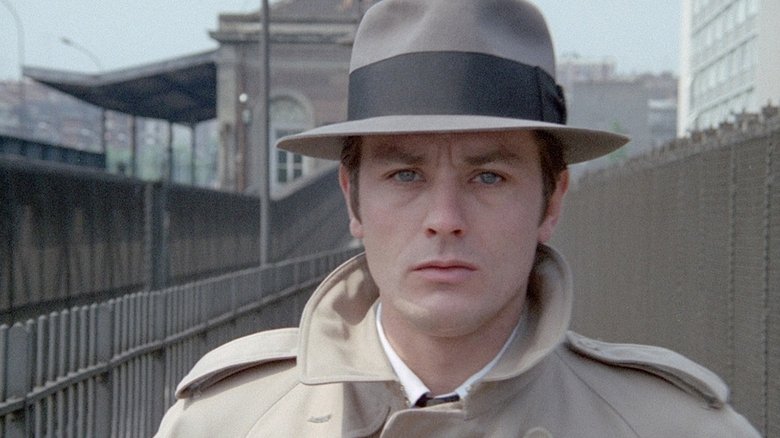
Attired in trenchcoat and fedora hat (or is it a trilby?), it's obvious that Delon and Melville are homaging with great respect the American film noir classic cycle. It's also quite amazing that although the film is technically filmed in colour, it still feels like one of those black and white noirs of the 40s and 50s. There's a coldness to Henri Decaë's (Ascenseur pour l'échafaud/Elevator to the Gallows) photography that so befits the story, the interiors are stripped of life, the exteriors almost always gloomy. And with the brilliant Delon as cool as an Eskimo's wedding tackle, icy veneers are all the rage here.
Hugely influential, Le Samouraï deserves every plaudit that has come its way. Best thing about it is that it actually gets better on a repeat viewing, because the surreal edge disappears the next time and in its place is an awareness of what the director is doing, and with that comes an appreciation of great film noir film making. Hell! Even the finale is pure noir of heart. 9/10
Le Samouraï, one of the most highly praised French films of the 1960s, and justifiably so. Having only just caught it for the first time, I'm not sure what more I can say about a film that has been discussed, dissected, praised and pored over for nearly five decades now.
Plot is simplicity, hit-man Jef Costello (Alain Delon) enacts a hit but he is witnessed fleeing the scene and spends the rest of the film trying to make sure his alibi holds up. His employers want him erased so as to avoid detection themselves, the head detective on the case knows Jef did it but can't quite close the noose around his neck, and Jef is mysteriously drawn to a sultry piano player who happens to be the chief witness against him!
Sparse of dialogue, this is a masterstroke decision by director Jean-Pierre Melville, because what chat there is makes us hang on every word being spoken. It also re-enforces the loneliness essence of the hit-man's life. Jef's apartment is so bland and devoid of personality, the only thing of beauty there is a bird in a cage, the metaphor of such is hard to ignore. Jef himself is beautiful, he also is perpetually in an emotionally frozen cage.
Attired in trenchcoat and fedora hat (or is it a trilby?), it's obvious that Delon and Melville are homaging with great respect the American film noir classic cycle. It's also quite amazing that although the film is technically filmed in colour, it still feels like one of those black and white noirs of the 40s and 50s. There's a coldness to Henri Decaë's (Ascenseur pour l'échafaud/Elevator to the Gallows) photography that so befits the story, the interiors are stripped of life, the exteriors almost always gloomy. And with the brilliant Delon as cool as an Eskimo's wedding tackle, icy veneers are all the rage here.
Hugely influential, Le Samouraï deserves every plaudit that has come its way. Best thing about it is that it actually gets better on a repeat viewing, because the surreal edge disappears the next time and in its place is an awareness of what the director is doing, and with that comes an appreciation of great film noir film making. Hell! Even the finale is pure noir of heart. 9/10
CRCulver
8.0
1 September 2018Jean-Pierre Melville's 1967 film Le Samouraï is the story of a hired assassin who slips up on a hit and his race against time to set things right. Jef Costello (Alain Delon) is given a contract to kill a nightclub owner, but on the way out he is seen by the club's pianist (Cathy Rosier) and then gets himself picked up in a police sweep. He finds himself pursued by both a cunning detective (François Périer) and by his disappointed employers. As the film progresses, Costello manages to elude both threats while remaining true to his bushido-like code of honour.
The strongest aspect of Le Samouraï, I feel, is Alain Delon's performance. Beginning with an utterly stoic mien and confidence, Costello gradually loses his cool over the course of the film, and Delon skillfully depicts this subtle collapse. Melville's direction is remarkable for its ability to sustain suspense (even across multiple viewings, when one already knows how it will go down), and it's curious how the audience is led to sympathy for this man who is basically a cold-blooded murderer. We are even denied a back story that might serve as an apology for his profession. Instead, Costello is just a robotic killing machine, but the film makes us feel concern for him nonetheless. There is also memorable soundtrack by François de Roubaix, an early example of electronic music.
Some aspects of the policework are presented in a clunky or unbelievable fashion (the detective has memorized every building in Paris, seriously?), so I cannot rate this as a flawless masterpiece. But still, it's a good film, and part of the basic education of a cinephile: Le Samouraï has proved vastly influential in the decades since its release, and those who have seen more recent films like Jim Jarmusch's Ghost Dog or Michael Mann's Collateral will recognize various aspects of those to be hommages to Melville's classic. Le Samouraï, in turn, looks back like many French films of this time to American film noir, as well as to the then-recent French New Wave.
The strongest aspect of Le Samouraï, I feel, is Alain Delon's performance. Beginning with an utterly stoic mien and confidence, Costello gradually loses his cool over the course of the film, and Delon skillfully depicts this subtle collapse. Melville's direction is remarkable for its ability to sustain suspense (even across multiple viewings, when one already knows how it will go down), and it's curious how the audience is led to sympathy for this man who is basically a cold-blooded murderer. We are even denied a back story that might serve as an apology for his profession. Instead, Costello is just a robotic killing machine, but the film makes us feel concern for him nonetheless. There is also memorable soundtrack by François de Roubaix, an early example of electronic music.
Some aspects of the policework are presented in a clunky or unbelievable fashion (the detective has memorized every building in Paris, seriously?), so I cannot rate this as a flawless masterpiece. But still, it's a good film, and part of the basic education of a cinephile: Le Samouraï has proved vastly influential in the decades since its release, and those who have seen more recent films like Jim Jarmusch's Ghost Dog or Michael Mann's Collateral will recognize various aspects of those to be hommages to Melville's classic. Le Samouraï, in turn, looks back like many French films of this time to American film noir, as well as to the then-recent French New Wave.

markavrelii
13 Januari 2022
Amazing movie! Withstood the test of times. Was watching it with a great interest unlike many movies of this era. Delon is magnifique! Unexpected plot and ending, but the title should have prepared me for it.
Lebih Banyak Seperti Ini
7.8
Au revoir là-haut
Film2017
5.0
Finders Keepers, Lovers Weepers!
Film1968
2.0
Sister's Keeper
Film2007
6.0
RoboCop 2
Film1990
5.9
Leatherheads
Film2008
5.5
Bad Country
Film2014
4.1
The Piano Player
Film2002
5.3
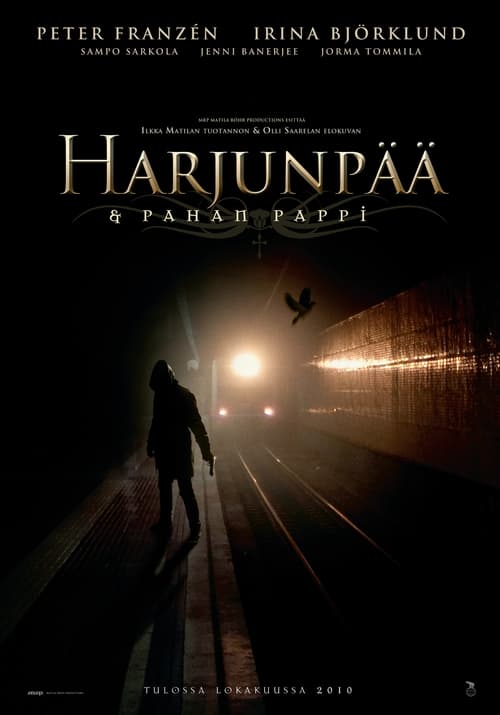
Harjunpää & pahan pappi
Film2010
7.7
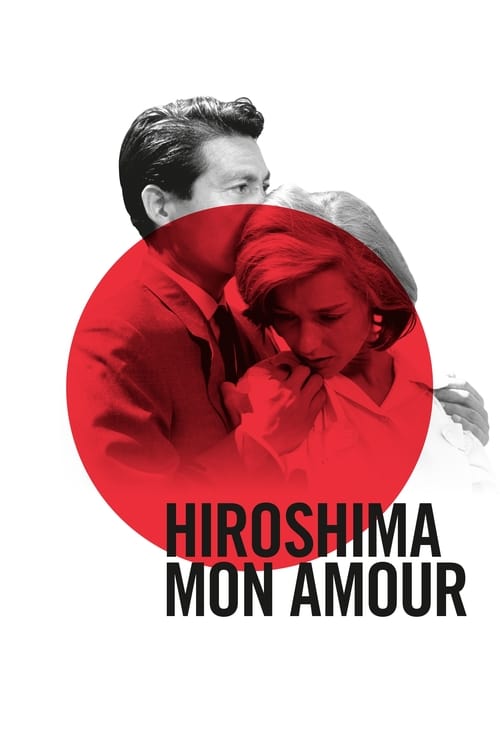
Hiroshima mon amour
Film1959
6.1
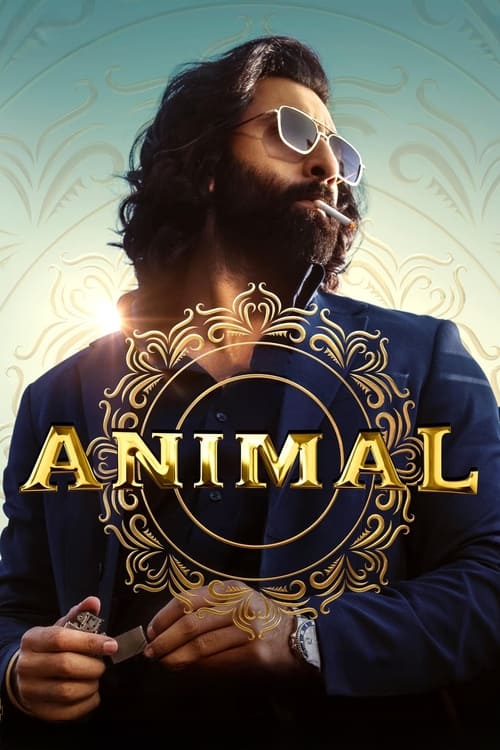
Animal
Film2023
4.9
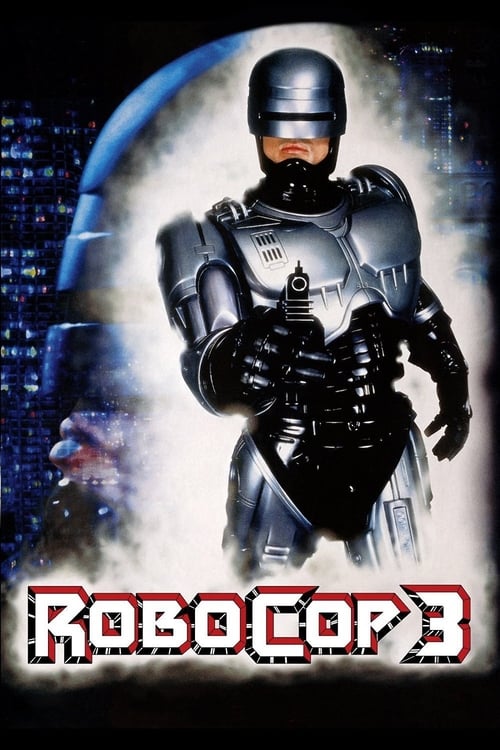
RoboCop 3
Film1993
5.9
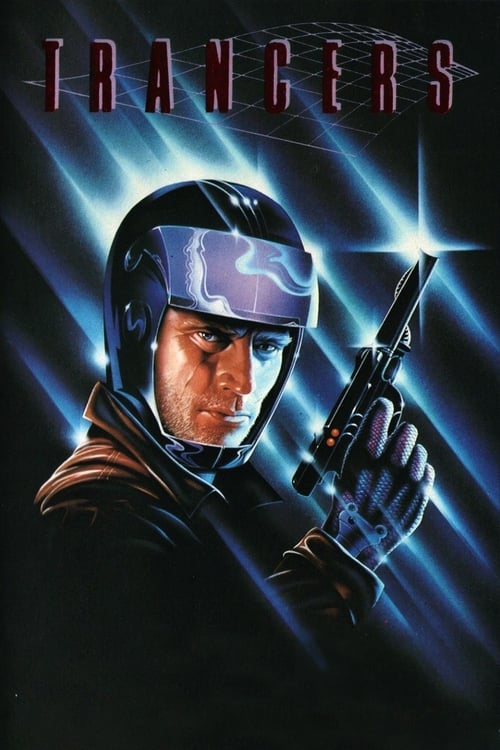
Trancers
Film1984